





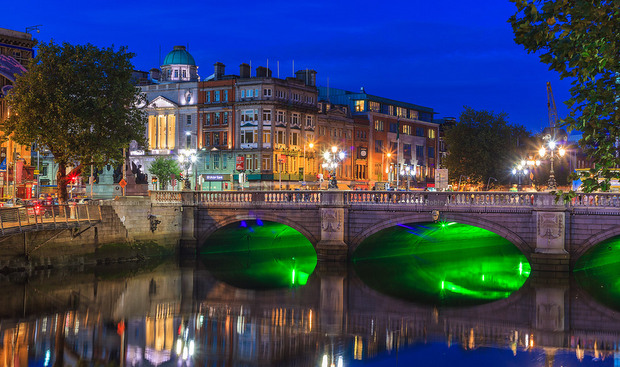
Dublin is Ireland’s capital and largest city, with reminders of its stirring history and rich culture on nearly every street corner.
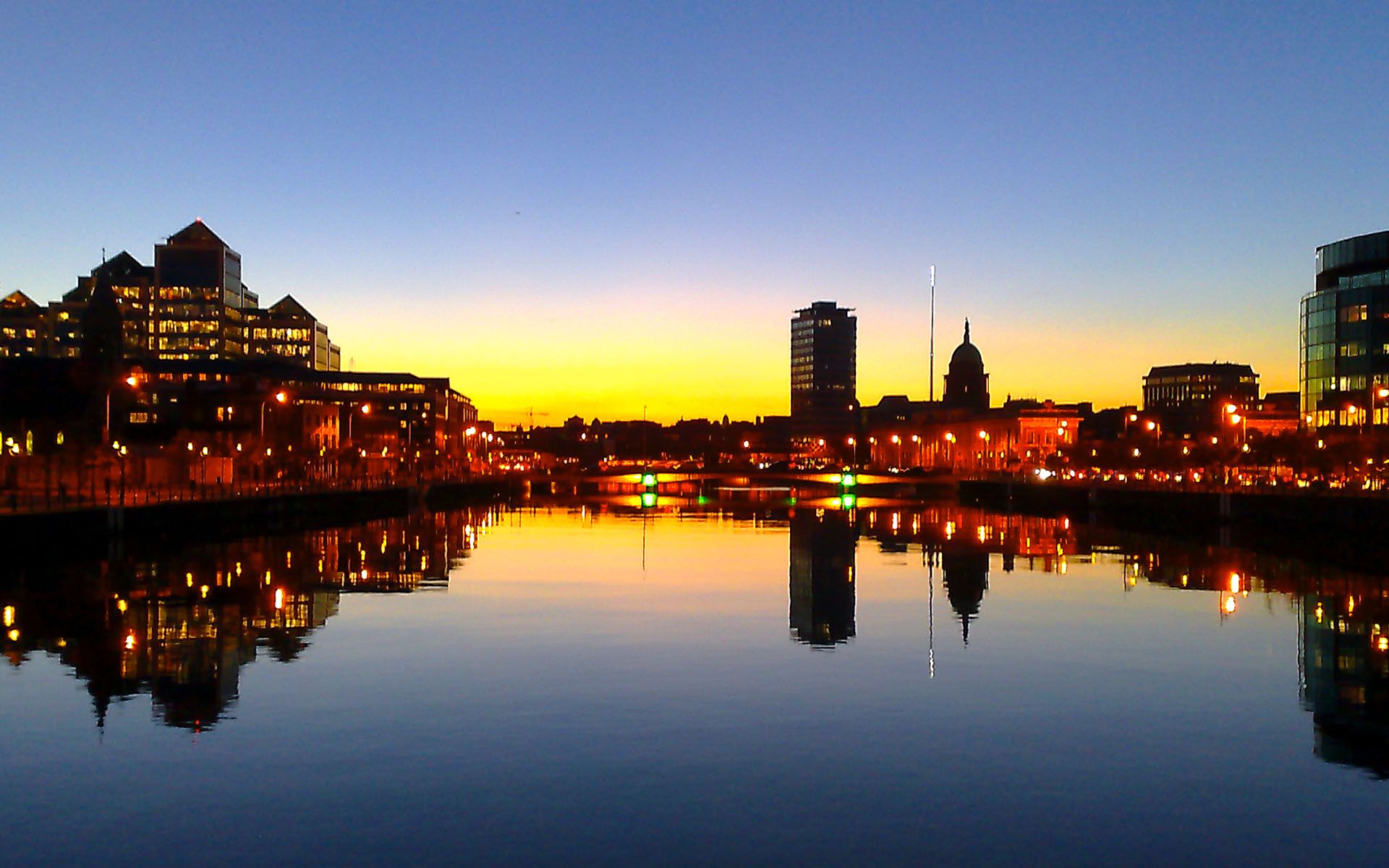
Dublin was founded in the 19th century on the river Liffey as a Viking trading settlement. Dublin is the most English city of Ireland's cities.
Dublin is an elegant and cultured capital with its own parliament.
In the main square you can find the memorial to the victims of the great Potato Famine of 1845, a reminder that good times were followed by an age when the national costume became bare feet and rags.
Visit number twenty-nine Lower Fitzwilliam Street. Till 1790 this was a Dublin home, and now it is a museum. It comes with tours giving an intimate glimpse at the elegance of Georgian life.
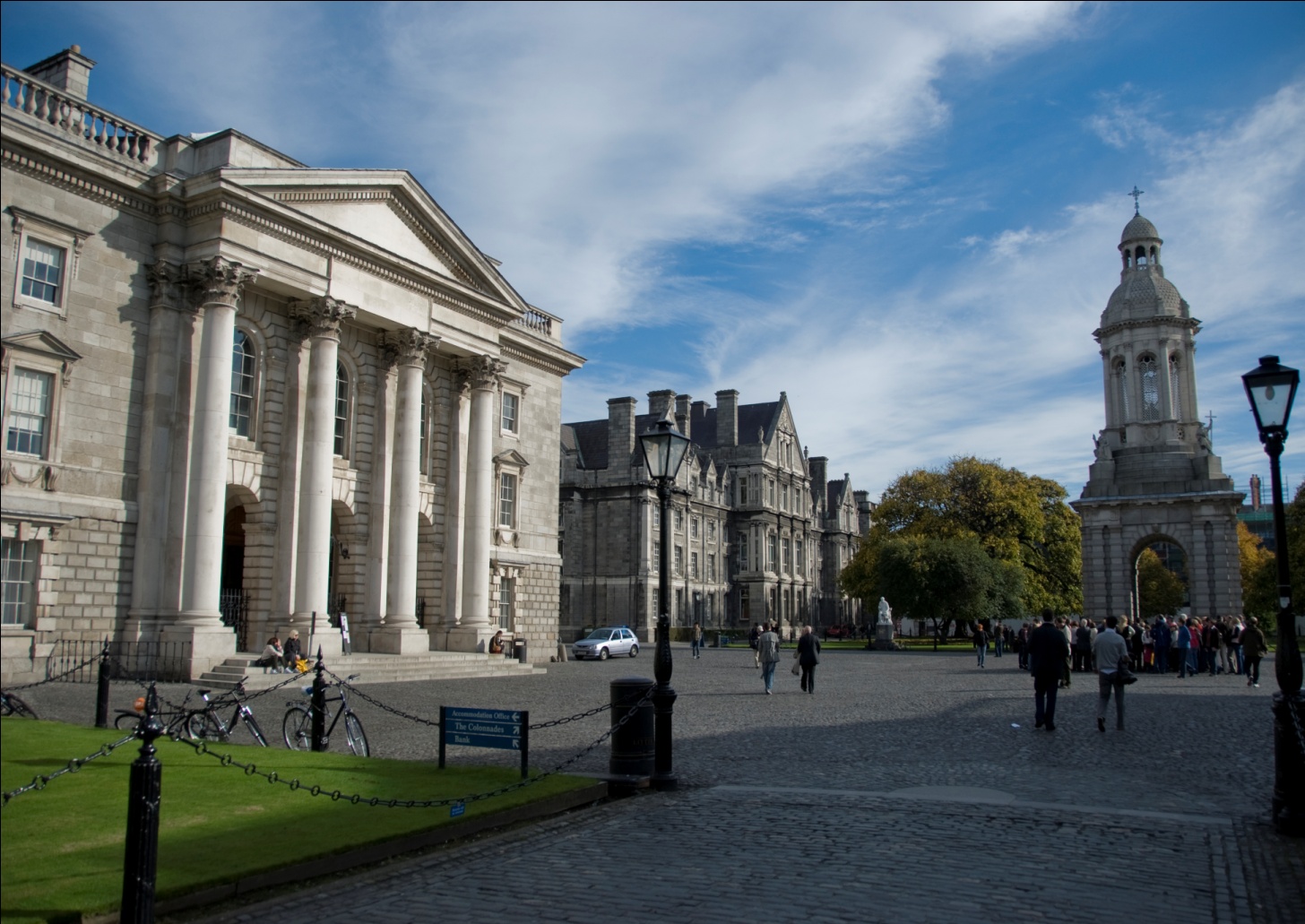
Trinity is Ireland’s most prestigious college.
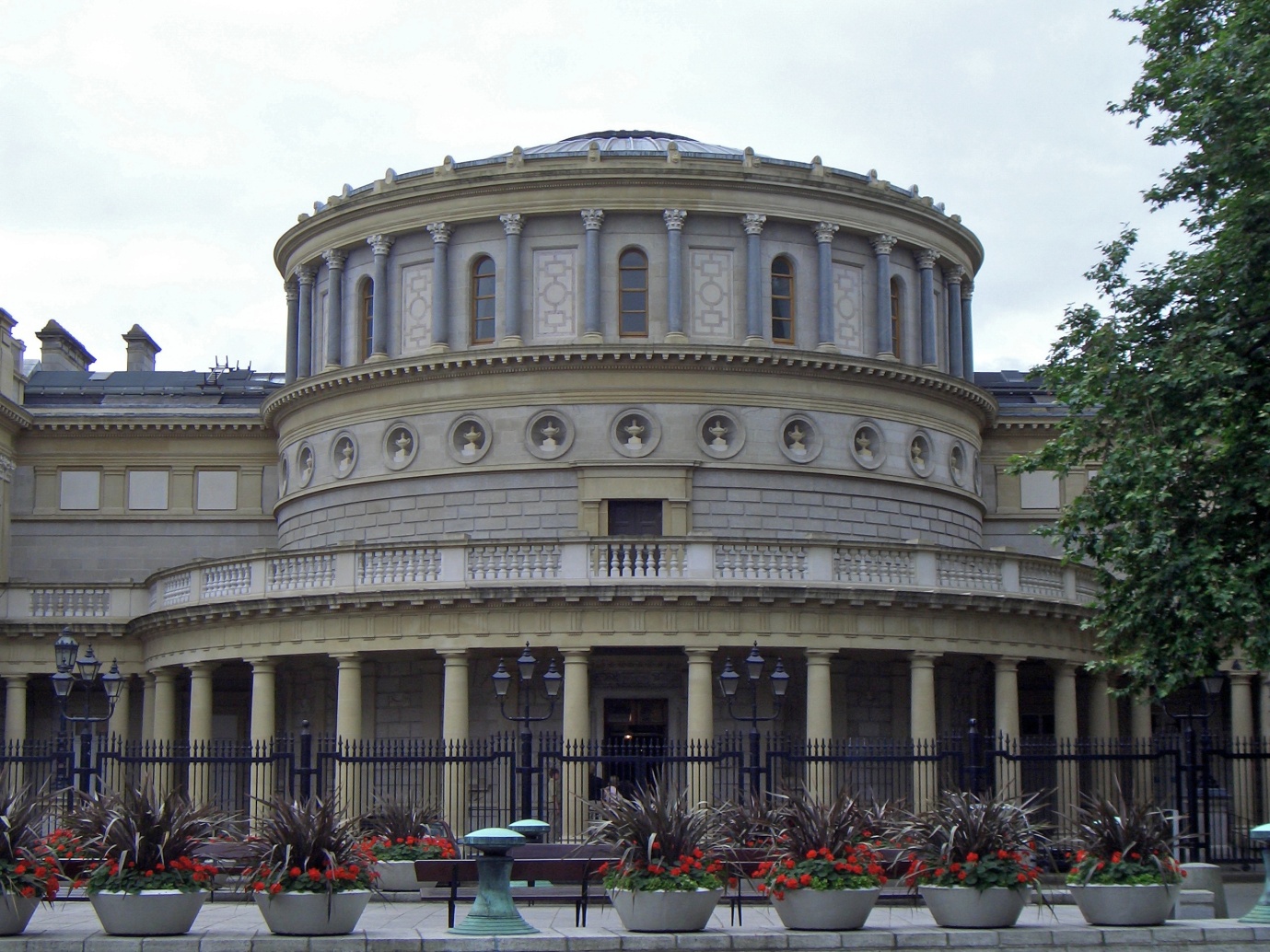
Next up you need to visit the national museum. Its chalices, jewelry and brooches give glimpses into Ireland’s distant and mysterious past. Ireland’s bronze age gold from centuries before Christ.
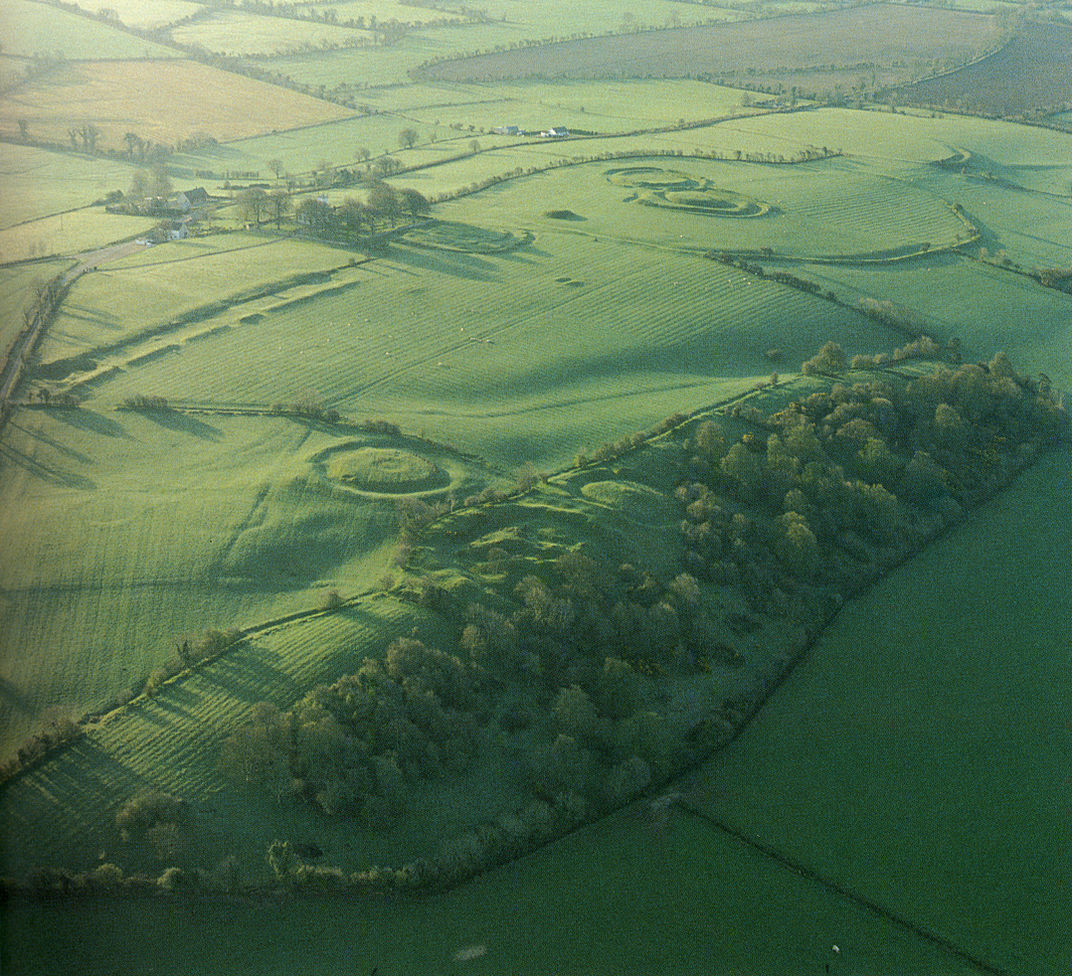
Just an hour's drive north of Dublin, you can visit The Hill of Tara. You can see the statue of St. Patrick which is their patron saint and the shamrock is a symbol of Ireland.
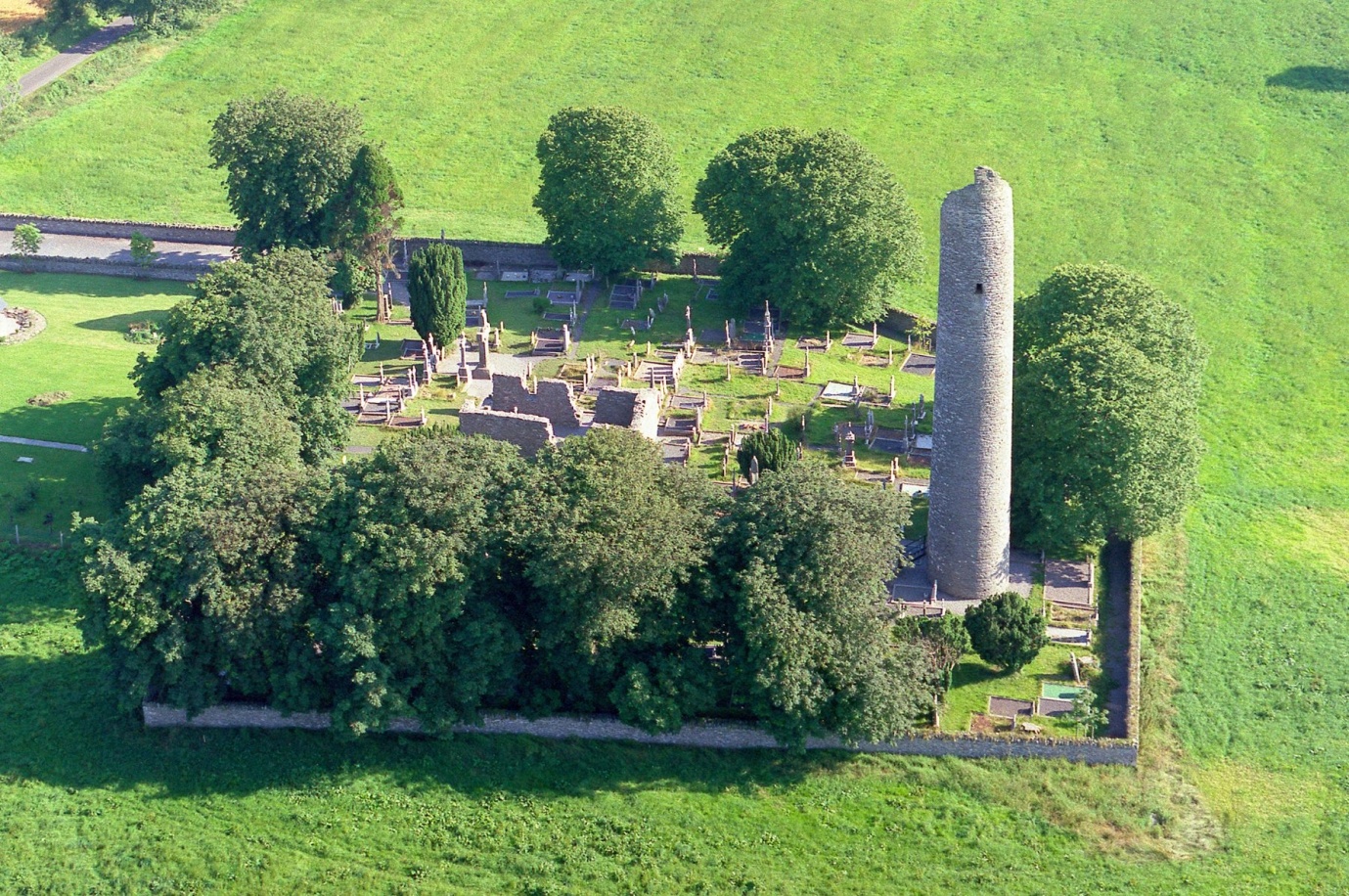
Not far away you can visit Monasterboice which is notable for its round tower, a standard feature in Ireland’s early Christian churches, and its ornately carved high crosses.
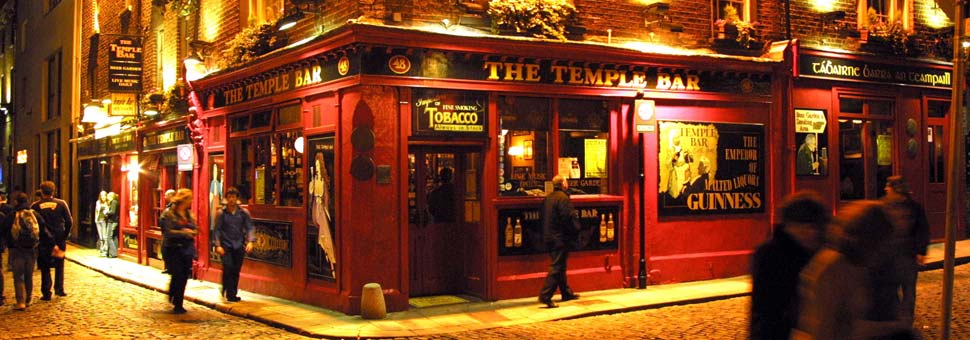
Back in Dublin you must visit the Temple Bar which is the thriving cultural and beer-drinking hot spot.
Dublin is the home of many famous writers like James Joyce, William Butler Yeats and Oscar Wilde.
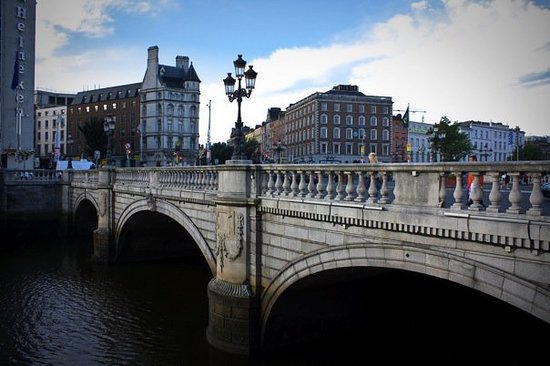
O’Connell Street, leading from O’Connell Bridge through the heart of north Dublin, is lined by statues celebrating great figures and Ireland’s fight for independence.
A tall beer-glass shaped glass atrium leads to the Gravity Bar – where visitors enjoy a commanding 360-degree view of Dublin.