



























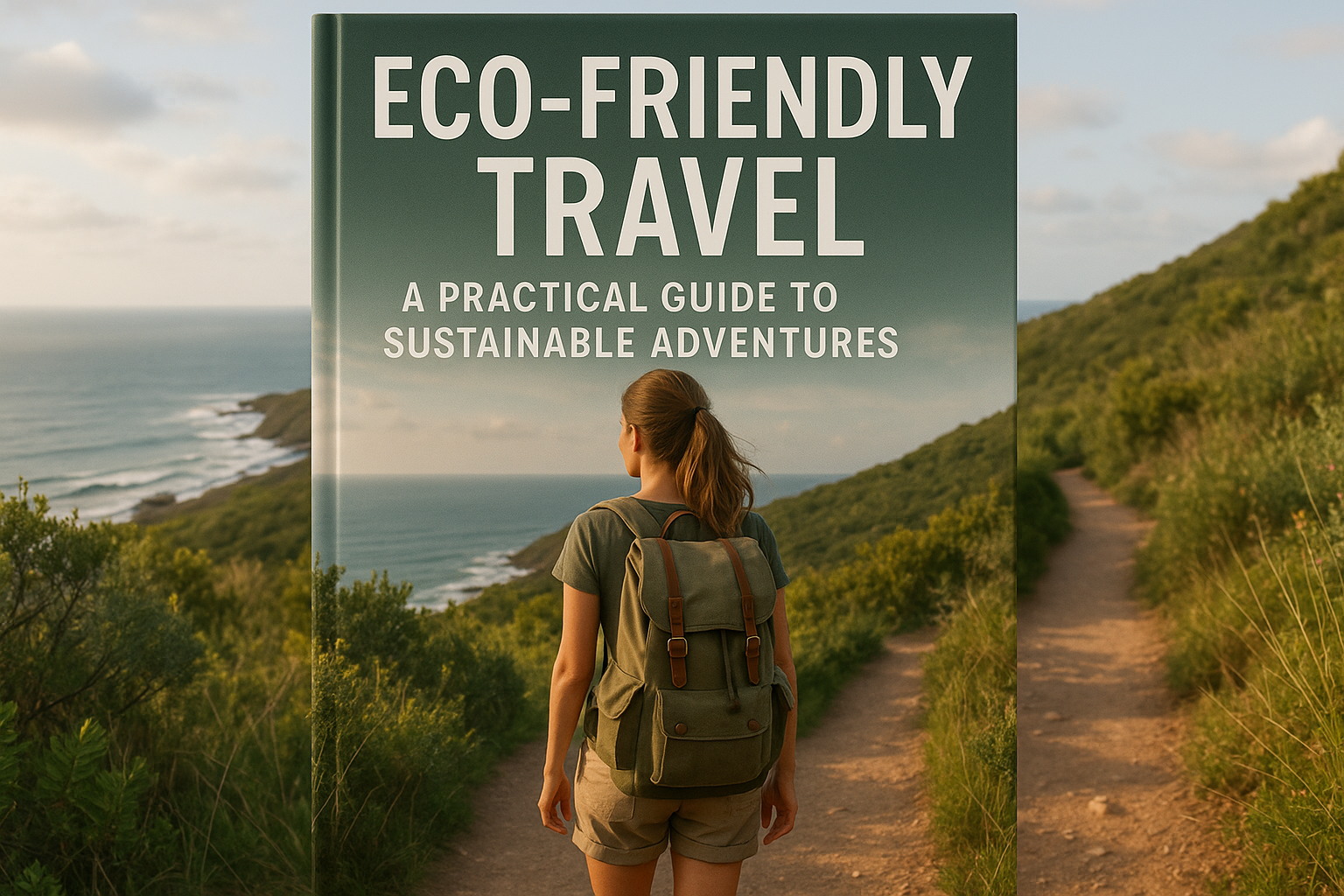
Last summer, I was at a beach checkout counter with a reusable bottle in one hand and a plastic souvenir in the other. The cashier grabbed my bottle anyway and tossed it into a bin marked “for recycling only.” That small moment stuck with me. Eco-friendly travel isn’t something you announce. It’s what you do when you’re moving through a place and nobody’s keeping score. The lesson is simple—and a little inconvenient: personal guilt doesn’t substitute for local systems.
Skip ahead:
- First, breathe: how eco-friendly travel changed my pace and my memories
- The real meaning of low-impact travel (and why “perfect” isn’t the goal)
- Where most eco plans fall apart: the hidden costs nobody sees
- Packing like a local: the gear choices that actually reduce waste
- Getting around without stealing the air: transport decisions that add up
- What to eat when you travel: seasonal plates, local markets, and mindful portions
- Choosing tours and stays that support conservation (not just photos)
- The 3 metrics worth tracking on every trip (even when plans get messy)
- Respect for nature and people: the small behaviors that carry big meaning
- A hopeful send-off: take the first sustainable step, then keep improving as you go
First, breathe: how eco-friendly travel changed my pace and my memories
By day three, my notes looked great and my mood didn’t. The trip started to feel like a compliance exercise, and I kept missing the sounds and smells that had pulled me there in the first place.
Then a local host in a small guesthouse noticed I was bouncing between stops like I was trying to finish a checklist. She told me the cleanest plan still has room for downtime. “Walk slowly,” she said, “so you don’t end up swapping your energy for something else.” After that, my pace changed. Fewer fixed stops, more room for spontaneous conversations, and I started taking the long way to viewpoints just to watch how the light moved over the water.
This guide will give you both practical choices and real-world context. You’ll see where decisions actually happen—how to pick transport, where waste shows up, what to pack, and you’ll also get the cultural side of sustainability. The tradeoffs are real. Sometimes the “best” option on paper hits limited capacity, higher cost, or infrastructure that just can’t support it yet. I’ll walk you through how I deal with those moments without letting guilt turn into paralysis. There’s a fuller breakdown of this in Best of the Swiss Alps.
The real meaning of low-impact travel (and why “perfect” isn’t the goal)
My early attempts were full of good intentions and avoidable missteps. I trusted “biodegradable” labels as if they always mean harmless, and I assumed “local” automatically equals ethical. On one hike, I brought snacks in tiny wrappers because I’d bought them in bulk at home, then I ended up leaving micro-trash behind from packaging that didn’t break down quickly in that climate.
Locals corrected me gently, and that was the point: respect isn’t a marketing tagline. It’s paying attention to how land and communities actually work. In some places, the biggest issue won’t be your fork or bottle brand. It might be water pressure, laundry runoff, fragile trails, or the strain on local staff during peak season. The priority order shifts depending on where you’re going.
When I plan low-impact travel, I follow a simple chain: reduce, reuse, choose better, then offset carefully when it makes sense. Reduce means fewer single-use items and fewer “just in case” buys that turn into clutter. Reuse means bringing systems you can keep using, like a refillable bottle and a sturdy container for leftovers when restaurants offer them. Choose better means reading past the label and focusing on what the place can realistically handle: refill stations that actually work, tours that cap group sizes, and accommodation that has clear waste and energy practices.
Where most eco plans fall apart: the hidden costs nobody sees
I once visited an overcrowded alpine village where everyone seemed committed to doing the right thing. People had reusable cups, they rode bikes past the shops, they even picked up litter along the main road. Then I watched vehicles idle over and over outside narrow streets, and later learned the guesthouses were drawing hard from local water supplies during weeks when springs run low. The harm didn’t look dramatic like trash on the ground. It was quieter, slower, but still real.
These bottlenecks show up again and again: water use (showers, laundry, irrigation), trail erosion (especially on steep switchbacks), wildlife disturbance (feeding or lingering near nests), and local labor strain (extra shifts needed when demand spikes past what residents can support). Waste is part of it too, plenty of destinations manage recyclables poorly even when the bins look official.
To travel responsibly, I read marketing with a skeptical eye. If a tour calls itself “eco” but won’t say basic things like group size limits or the exact departure times, crowding gets brushed aside, and that’s a red flag. If capacity details are posted, I check them. For example, I look for whether certain trails require permits or timed entry. And if a website touts sustainability without any verifiable policy, things like waste handling procedures, energy sources, or local employment commitments, I treat it as a prompt to ask questions instead of something to assume.
Packing like a local: the gear choices that actually reduce waste
The packing habit that changed how I travel started on a multi-city trip, when I realized about half my bag was disposable “convenience.” I defaulted to tiny hotel bottles for toiletries. I kept single-use wipes as an emergency backup. And those little trial-size packets created more trash than I could justify on a conscience-driven itinerary.
Switching to reusables didn’t mean changing who I was. It meant building better systems. A refillable bottle matters most where tap water is safe or where refill stations are actually available; otherwise, bring a filter that matches your destination’s water situation and use it consistently. For toiletries, durable staples make a big difference, like a solid shampoo bar, or small refillable containers for shampoo and conditioner if refills are easy to find. Clothing strategy helps too: pack layers you can rewear, pick fabrics that dry quickly, and plan outfits around the weather so you’re not doing laundry just because it’s become routine.
I also learned what to leave behind. If your route includes farm stays or community kitchens, skip the extra throwaway utensils “just in case.” And if you’re heading somewhere with strict rules about what you can bring onto trails or into protected areas, double-check before you arrive instead of assuming everything sold at airports counts as fair game.
Once you’re on the ground, storing reusables is part of fitting into local routines. I keep my bottle upright in an insulated sleeve so it doesn’t leak into fabric bags. For cleaning, I avoid anything that sends soap scum into waterways, especially in places where locals rely on the same rivers for everyday life. Laundry plans depend on climate: in humid regions, quick-dry clothing helps cut down repeated wash cycles; in dry climates, line drying can work well, but I still use measured detergents so wastewater doesn’t become an invisible problem.
Getting around without stealing the air: transport decisions that add up
The transport choice that taught me humility was comparing train travel with short-haul flights in a region I’d visited more than once. At first I booked flights because they saved me an hour on paper. Then I added everything up, airport transfers, security lines, extra days of tight scheduling, and the emissions from losing time to rigid routines rather than actual distance.
Trains often win when they connect city centers directly and run frequently enough that missing one option doesn’t force a painful backup plan. Buses can be great too, especially when routes are reliable and timetables match how you actually move through your day.
Shared shuttles sometimes make sense as well, particularly when they reduce the number of individual cars, just watch for empty-seat policies that sound good on paper but don’t reflect reality.
My practical rule is “best available” planning instead of chasing an ideal that’s out of reach. Comfort matters if it keeps you safer on long days, like avoiding fatigue-driven driving, or if it reduces how many nights you need because connections are tight. Cost matters because budget trips often end up adding last-minute flights when trains sell out. Emissions matter most when your route offers real alternatives; when it doesn’t, focus on taking ground transport once you arrive rather than layering on unnecessary intra-region flights. (More on this in Alternative budged vacation ideas.)
What to eat when you travel: seasonal plates, local markets, and mindful portions
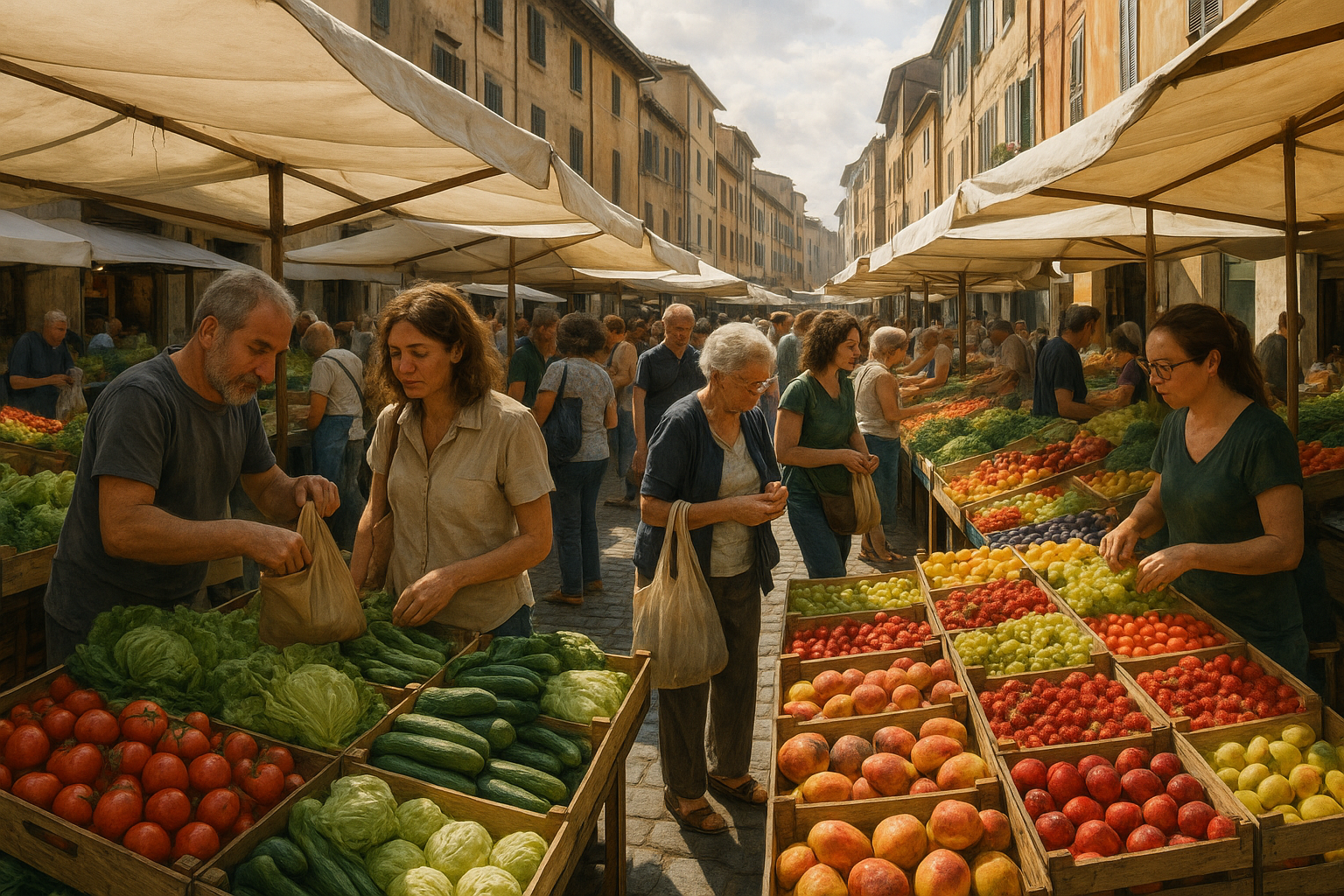
I learned the rhythm of local markets by getting up earlier than my vacation self wanted to. One morning I wandered into a town market while vendors were still setting out baskets of greens and fruit that had dew on it. Nobody seemed impressed that I could say the word “seasonal.” They were paying attention to what would sell today and what would spoil fastest if it sat too long.
Bargaining is part culture lesson, part etiquette practice. Ask before you photograph. Keep your hands tidy. And don’t push someone hard if they’re trying to manage family expenses through unpredictable harvests. A simple question like “What’s best this week?” usually tells you whether the tomatoes are field-grown nearby or trucked in from farther away, without turning the conversation into an interrogation.
Mindful portions help cut waste without making meals feel like punishment. Order a little less than you think you’ll eat, then let appetite decide what you do next.
Vegetarian choices often reduce impact most when they’re truly seasonal locally, not just labeled vegetarian. (See also: Best cruises around the world)
When vegetarian options fit what’s being harvested locally, go for them, seasonal legumes in cooler months, or vegetable-forward dishes when heat makes produce peak faster. If restaurants show sourcing clearly or rotate menus based on availability, it makes choosing easier because you can see that they treat food as something perishable and worth respecting, not interchangeable.
Choosing tours and stays that support conservation (not just photos)
The experience that changed how I judge “authentic” travel didn’t hinge on spotting wildlife, it came down to the rules being enforced before anyone reached the viewpoint. On a community-based wildlife outing, our guide spelled out visitor expectations in plain language: where we could stand, how long we could pause near habitats, and why people weren’t allowed to call animals closer just to get better photos.
Since then, I’ve looked for conservation support beyond Instagram captions. Responsible operators have waste policies, like no feeding wildlife and clear carry-out rules, plus limits on group size. Their guides are trained using local ecology instead of generic talking points. They also make it clear where the money goes: toward local rangers, habitat restoration work, or community maintenance funds, without dressing it up as something mysterious.
Before you book anything labeled eco-friendly, use a quick checklist. Who runs the tour locally? What are their group size limits? Are visitor rules posted clearly at the meeting points? Do they require guides who can explain the behaviors you might see? And what happens if someone breaks those rules? Most of all, ask what share of your fee returns to the community or conservation work, not just whether they “support” it in spirit.
The 3 metrics worth tracking on every trip (even when plans get messy)
I started keeping a small “trip dashboard” after realizing I couldn’t remember what I’d actually improved between stops. I’d had good intentions, but my recall was weak. So I stopped chasing perfection and started tracking direction, and it made mid-trip adjustments feel more like progress than failure.
The first metric is waste generated per day. I mean more than trash bags at checkout time. Include leftover containers, packaging counts from market runs, and whether you end up buying bottled drinks because convenience beats planning. The second is resource use: how often you shower quickly versus lingering longer in hot weather, plus how much energy you’re using when lights stay on because rooms only stay cool with air conditioning blasting.
The third metric is local impact, especially crowding pressure around popular viewpoints, and income distribution patterns you can spot indirectly.
The goal isn’t to turn every decision into a spreadsheet. It’s to catch where things quietly drift.
Most importantly: stop treating offsetting as permission slip, most travelers overestimate what offsets can fix compared with real-world reductions.
When plans get messy, and they will, I adjust mid-trip instead of waiting until the end to sort through regrets. If water is scarce where you’re staying longer than expected, shorten shower routines and switch to air-dry options for a quick clothing refresh. If crowds feel heavier than you planned for, head to quieter trails or off-peak hours instead of insisting on peak-time bucket lists. Tracking these little things helps you steer without falling into guilt-driven perfectionism.
Respect for nature and people: the small behaviors that carry big meaning
I’ve seen respect show up most clearly in habits that never turn into souvenirs: staying on trails even when detours look tempting after rain; keeping to quiet hours if a village asks for an early-night calm; and photographing ethically by keeping distance from nesting areas instead of climbing onto structures just to get “the shot.” In sacred spaces or private homes near homestays, I ask before entering rooms beyond common areas, and I follow what people request about dress and footwear because those rules are about comfort and continuity, not hurdles for visitors.
Cultural sensitivity also lives in the small stuff, greetings and daily routines. If someone uses a specific local gesture or phrase when they say hello, getting it right costs nothing and shows you’re paying attention. Dress norms matter too. It’s not just about avoiding offense. It’s about matching how people expect bodies to move through their public spaces: sun coverage on open coasts, lighter fabrics in hot regions, and covered shoulders where communities prefer it.
The most important humility comes when you respond well to feedback. If someone tells you your actions are bothering wildlife or upsetting neighbors, stop right away, apologize once without making it a scene, and ask what they recommend instead. Leaving places better than you found them can be as simple as picking up litter within reach, and it can mean just as much as sharing what you learned with others who arrive on later days.
A hopeful send-off: take the first sustainable step, then keep improving as you go
Eco-friendly travel works best when it’s a set of choices you can repeat because you’ll want them again, not a test you pass once at booking time. Choose one habit this week: bring a refillable bottle where refills exist, pick trains over short flights when schedules line up (and don’t kid yourself about “one-hour savings”), or select one tour operator with clear visitor rules and group size caps.
Then pay attention to how the trip feels, slower where it should be slow, sharper where it matters, and carry that momentum into your next set of reservations.
- This week: choose one sustainable upgrade for your next trip (refillable bottle + refill plan) before buying anything else.