













Last time I stumbled into a place that felt truly off the map, it started with a wrong bus stop, a vendor who looked more confused than I was, and a hand-drawn footpath that didn’t match my map at all. Fifteen minutes later, I was standing in a spot that didn’t feel like “a destination.” It felt like a real neighborhood—somewhere you could borrow for a day.
What this covers
- Off the Beaten Path starts with the right kind of curiosity
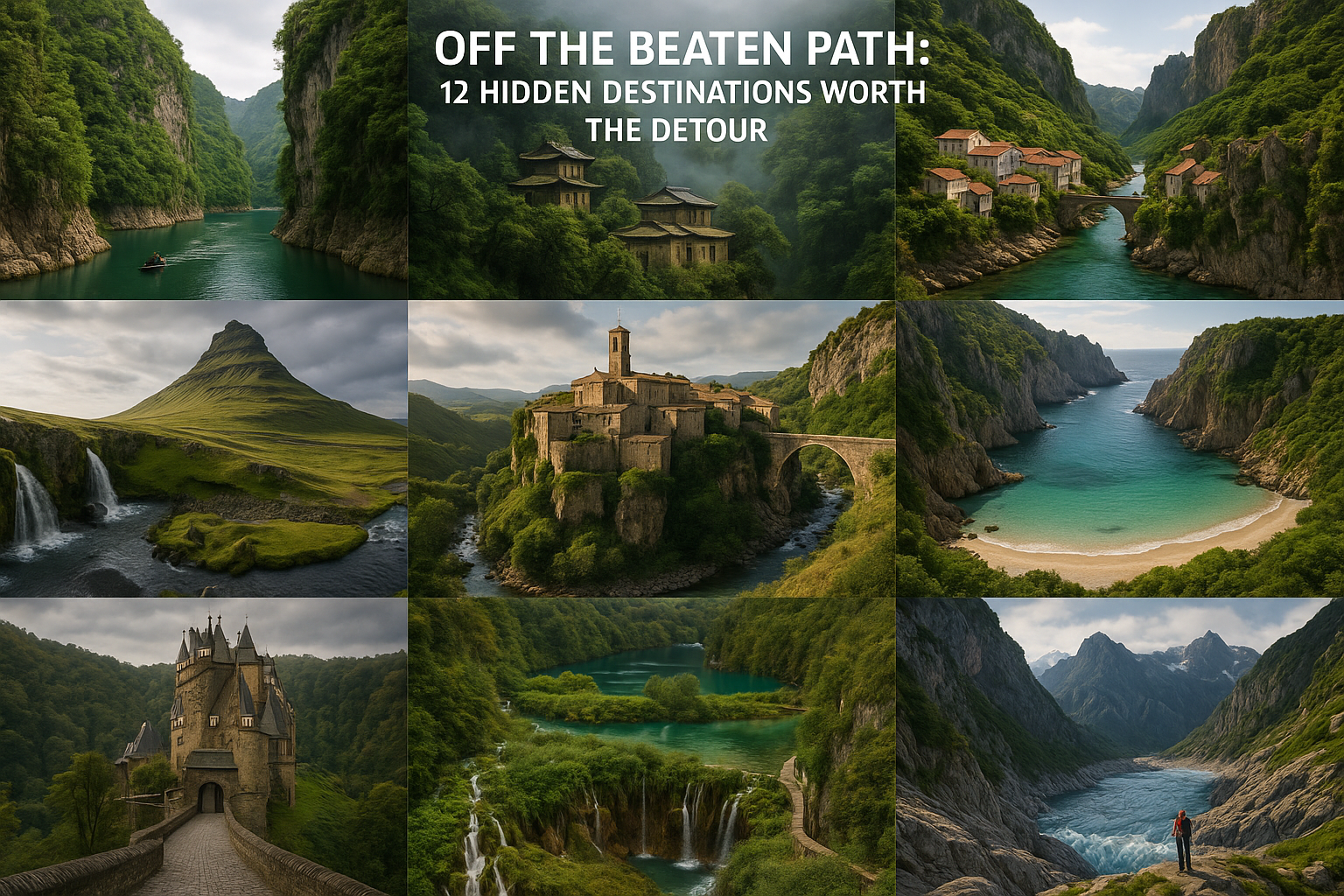
- The 12 places, mapped by mood: coastlines, volcanoes, and quiet villages
- Where most plans fall apart: the real logistics of getting “off-grid”
- Cartagena’s quieter cousin: the magic of Isla Múcura (not the postcard kind)
- The 4 metrics worth tracking when you choose a detour destination
- Pilgrimage in disguise: fewer crowds, deeper meaning
- Where the world turns wild: 3 lesser-known natural escapes that feel untouched
- A final nudge toward your next detour
Off the Beaten Path starts with the right kind of curiosity
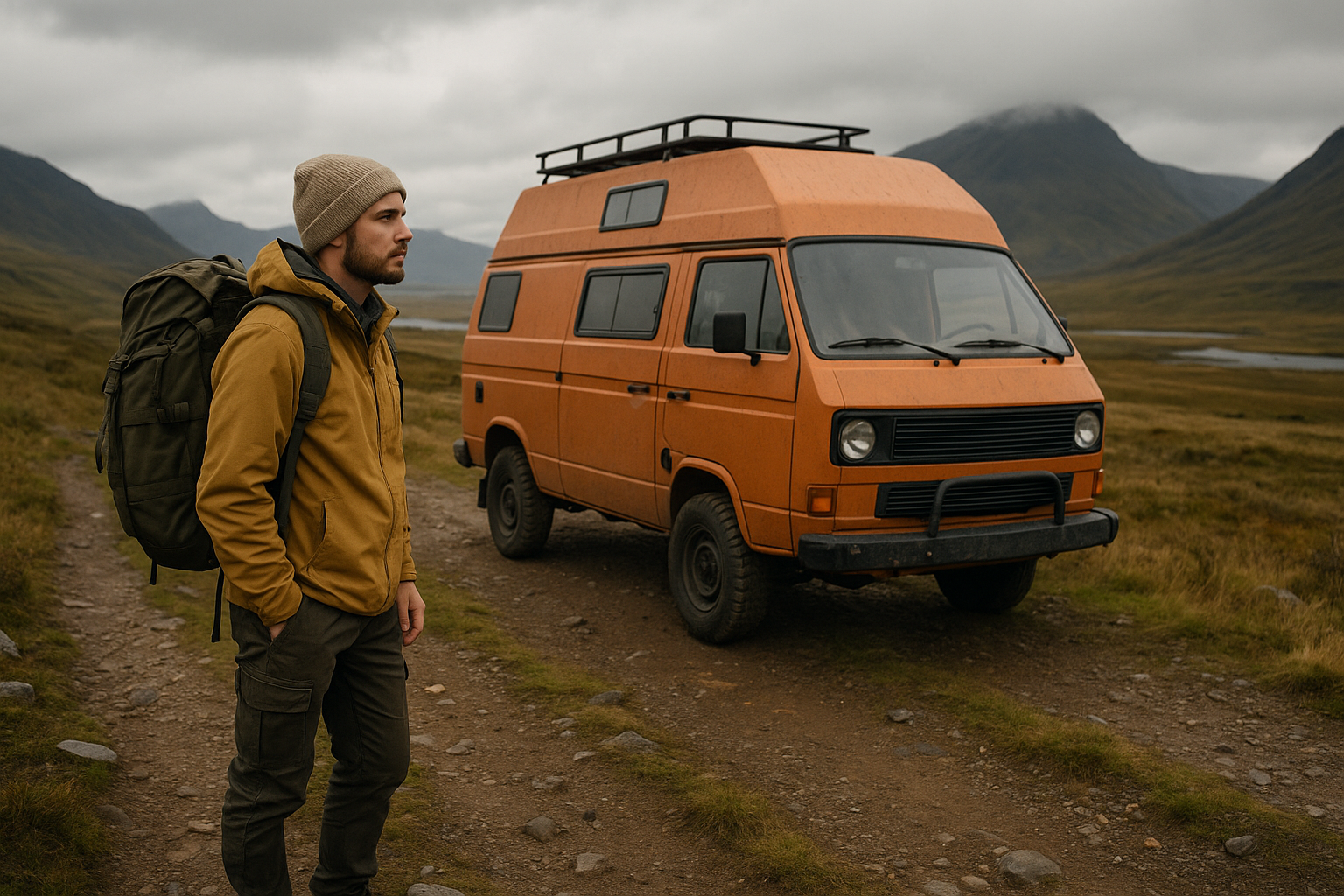
I still remember stepping off a bus in a place that wasn’t on any major itinerary—just a wrong turn, a wrong stop, and a local vendor pointing me toward a footpath. That detour stuck with me because it felt like I was being invited in, not just passing through. The air smelled like diesel and citrus; someone was grilling something sweet-smelling nearby; and the path kept narrowing until it looked less like a route and more like a secret.
Hidden destinations tend to have one thing in common: they reward slower attention. You’ll feel it in the rhythm, fewer tour groups, more everyday life, and a landscape that doesn’t “pose for photos” so much as simply exist. People wave. Children call out hellos. And the place keeps going whether you take a picture or not.
One line worth remembering: Hidden places don’t shout. They wait.
Before you chase a hidden spot, decide what you want to feel, quiet, adventure, culture, or nature. Then pick routes that leave space for spontaneity: flexible transport, buffer days, and the willingness to ask questions when something feels uncertain. A detour works best when the schedule can bend without breaking.
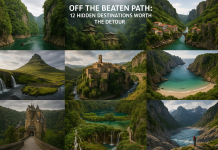
The 12 places, mapped by mood: coastlines, volcanoes, and quiet villages
To make these stops easy to plan around, it’s tempting to treat them like a neat itinerary, until you remember what these places do best. Some are seaside escapes where the sea does most of the storytelling. Others are highland towns where evening markets smell like woodsmoke and citrus. Think of it like building a playlist: each “track” has its own tempo, and the order helps keep energy steady.
Seaside escapes where time feels slower
1) Isla Múcura (near Cartagena), Colombia, What it feels like: impossibly calm water in the morning, then gentle breezes and salt on your skin by late afternoon. When I got there, I realized “uncrowded” can be its own kind of luxury, fewer boats idling around you and more time to watch locals prepare lunches from whatever the day brings.
Best season: generally drier months (you’ll want to check current conditions for your exact dates). Best for: solo wandering, couples, or anyone who wants beach beauty without the circus energy of a typical day-trip crowd. If you’re sensitive to heat, plan mornings for swimming and afternoons for shaded reads and long meals.
2) Praia da Figueira (near Arraial do Cabo), Brazil, What it feels like: turquoise shallows and that “only locals would swim here at this hour” calm. I found it after listening to a conversation on the beach, two fishermen arguing politely about which tide would bring the best visibility.
Best season: Brazilian summer for warm water, though shoulder seasons can be less crowded. Best for: active travelers who like snorkeling and coastal walks. Go early, the beach gets busier later, and it’ll feel better if treated like a morning ritual instead of an attraction.
Volcano-and-highland days that reward hikers
3) Cerro Negro base trails (León area), Nicaragua, What it feels like: volcanic dust underfoot and wind that clears your head fast. The first time walking those slopes, the whole landscape looked raw, charcoal-colored rock with small bursts of bright green where life refuses to quit.
Best season: dry months for trail comfort; wet weather can make the ground slick. Best for: hiking-first energy and travelers who are okay with rougher logistics. Bring more water than you think you need, this terrain makes you forget to hydrate until your body reminds you.
4) Sapa’s quieter hill paths (outside main town), Vietnam, What it feels like: misty mornings, terraces slipping into fog, and a slower rhythm that eases your shoulders. I walked away from the busiest routes and watched local farmers move through their day, like tourists were just background noise instead of a reason to perform.
Best season: cooler months with clearer skies (check the cloud patterns near your booking). Best for: couples, families with older kids (stick to gentler walks), or anyone who enjoys a real viewpoint payoff after putting in quiet effort. If you hire a local guide, ask which path families use on market days, often that’s where the most crowded route quietly hides. Unusual hotels around the world covers this in more depth.
Quiet villages where daily life is the main event
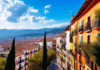
5) Civita di Bagnoregio (Latium), Italy, What it feels like: cliffside views that feel almost too dramatic, matched by a town that moves at a human pace. The first time going, viewpoints were reached before most people showed up, and the stone streets felt more at home with the birds than with cameras.
Best season: spring or early autumn for comfortable walking. Best for: culture lovers who want artful ruins without theme-park crowds. If peak summer heat is what’s on offer, start earlier than everyone else; by midday, your feet will make the decision unless pacing has been handled well.
6) Frigiliana’s back lanes (Andalusia), Spain, What it feels like: whitewashed walls warming in the sun while courtyards stay cool enough for that late coffee. Ended up there by chance after spotting an unmarked turn from a viewpoint parking area, and suddenly was following small steps past doors painted in soft blue-gray tones.
Best season: autumn for pleasant evenings; winters can be lovely too if you don’t mind occasional rain. Best for: slow travelers who want local food rhythms and scenic wandering without constant steep climbs. Expect narrow streets, if driving, park once and walk everything from there.
A few more mood-matched detours worth the detour
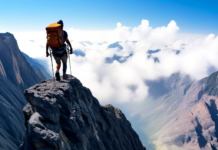
7) Huayllabamba-to-Sayacmarca trail region (Peru), Peru, What it feels like: high-altitude quiet with fewer footsteps than the more famous routes. Carried lunch wrapped in paper and ate beside the ruins while clouds shifted like slow curtain calls.
Best season: the dry season usually makes trails easier to handle, but always check weather windows since mountain forecasts change fast. Best for: hikers with solid basics who also like quiet history. Acclimatize first, altitude punishes overconfidence.
8) Minca coffee & waterfall backroads (near Santa Marta), Colombia, What it feels like: jungle shade, humid air that smells green, and mornings where birds sound louder than people talk. Stopped at a roadside spot, and a family convinced to wait ten minutes because “today’s mist makes the falls look different.” They were right.
Best season: drier periods help trails; rainy seasons can still work if flexible days are planned. Best for: nature lovers who enjoy guided day hikes and long lunches. Bring insect repellent, jungle nights don’t do subtle about mosquitoes.
9) Chefchaouen’s outer viewpoints (Morocco), What it feels like: blue-painted streets inside town paired with stone paths outside, where walking happens alongside goats and that slow-changing horizon light. The best views weren’t behind souvenir shops; they were just beyond them.
Best season: spring or autumn for comfortable walking. Best for: solo travelers and photographers who want fewer selfies and more sky. Go early before tour groups gather around town’s most photographed lanes.
10) Rila Monastery approach trails (Rila Mountains), Bulgaria, What it feels like: pine scent in the air, monastery stonework framed by forest, and calm settling in before even reaching the gates. Visited during a quieter time window and noticed fewer crowds mostly because many people arrive later in the day.
Best season: late spring through early autumn, depending on how much snow is left behind. Best for: culture-and-nature travelers who don’t mind walking uphill for the atmosphere. Bring grippy shoes; forest paths range from easy gravel to rougher stretches.
11) Chef’s-salad island mood: Kotor Bay side villages (Montenegro), What it feels like: mirror-like water reflections and small-town life without cruise-ship crowds. Went to a family-run spot where menu changed based on what showed up that morning, and lunch came with the view for free.
Best season: May/June or September, busy enough to feel alive, but not packed. Best for: couples, friends, and anyone who’d rather eat with an actual sunset than hunt for one late into the night.
12) Lake Titicaca lesser stops (Bolivia side), Bolivia, What it feels like: wind coming off open water, reed boats gliding close to shore, and communities where hospitality isn’t an act. It’s simply how things work. One afternoon followed smoke from cooking fires up a slope and ended up with families welcoming visitors with patience instead of sales talk.
Best season: the dry months usually make things easier; thinner air can make comfort depend on altitude. Best for: cultural immersion travelers who are willing to slow down and really listen. Pack layers, mornings can be chilly even when daytime warms up.
I like pairing effort with recovery: do something physically demanding in the morning, then aim for a restorative spot nearby, thermal springs, a late-afternoon viewpoint, or a long meal that turns into conversation instead of constant clock-checking.
Where most plans fall apart: the real logistics of getting “off-grid”
I learned this the hard way: getting “off-grid” usually breaks down on the last mile. Trains stop early, buses run “when there’s enough people,” and directions vanish the minute away from the main road. The scenery often looks better right as wayfinding gets worse.
Cultural insight helps here. In many places, asking for help isn’t just manners. It’s how information moves. Tips sometimes turn into route guidance that saved the day: which bridge was washed out or which trailhead locals actually use. If ask respectfully (and with a little patience), real specifics are usually better than generic advice.
Your most useful planning setup is Plan A / Plan B / Plan C. When can confirm transport the day before. Carry cash since small ferries and roadside tickets don’t always take cards. Download offline maps ahead of time using apps like Google Maps (offline areas) or Maps.me. And keep a short list of backup places to stay so weather changes don’t throw your whole schedule off track. 20 Breathtaking Caves From Around the World tackles the same question from the other direction.
Cartagena’s quieter cousin: the magic of Isla Múcura (not the postcard kind)
Isla Múcura taught something useful: “hidden” doesn’t always mean remote. When arrived, water looked almost unreal from shore, like someone had turned down the volume on the sea, and everything slowed down on its own: barefoot walks, salt drying on skin, meals starting with whatever day brought in.
The island rhythm is community rhythm
Culturally, Isla Múcura’s identity comes through sea and community rhythm. Conversations stay simple and genuinely warm, who caught what, which beach is best today, where shade lasts longest when clouds drift in. You can feel difference between quick day-trip vibe and staying long enough to notice how locals move through their hours without rushing.
If want “real” version of island life, don’t lock into every plan like running a checklist. Arrive with space to adjust around tide timing and boat schedules; on islands like this, nature sets pace more reliably than any itinerary does.
Tide timing turns “pretty” into “wow”
The advice here is unusually concrete: plan for a longer stay instead of a rushed afternoon swing-by. Bring reef-safe sunscreen (skin will thank you), a light layer for windy evenings, and ask locals about tide timing, some “best spots” only look good when water level is right.
A quick chat fixed plan, and within an hour watching families wade where earlier view suggested it wouldn’t be possible. If that’s the boat you’re in, Lord Howe Island – Forgotten paradise in Australia is worth ten minutes.
The 4 metrics worth tracking when you choose a detour destination
I use four metrics to decide if an off-the-map place is actually worth time: access reliability, seasonal comfort, local etiquette norms, and the time-to-joy ratio (how quickly starts feeling magic). Each one changes kind of trip that’s realistically possible. A spot can be gorgeous yet weather-sensitive. Another might be easy to reach but only hits stride during certain weeks or specific hours.
Access reliability
If route depends on one boat or one bus line, backup thinking needs to start from day one. Before booking anything nonrefundable, scan recent reviews for delays, not because chaos is inevitable everywhere, but because repeated complaints tell whether getting there is usually smooth or often chaotic.
Seasonal comfort
A hidden place can still be “worth it” while also feeling miserable if temperatures push past tolerance or trails turn slick after storms. Track real weather patterns instead of leaning on broad seasonal guesses; microclimates change fast, a coastal breeze can make inland valleys feel totally different once afternoon hits.
Local etiquette norms
This is where travelers often turn curiosity into friction. Sacred spaces may call for modest dress; markets may expect cash; some beaches have quiet rules about photography or how behave near homes. If unsure, watch what people around are doing first, then follow gently.
Time-to-joy ratio
This metric doesn’t get enough attention because it impacts stress more than your actual miles. Some places deliver joy within an hour, like waterfront towns where lunch already feels special; others take half a day before scenery starts paying off. If after relaxation or culture immersion, prioritize places that reward travel time faster.
Pilgrimage in disguise: fewer crowds, deeper meaning
Some of the best hidden places aren’t secret because they’re hidden by design, they just don’t get marketed like big sights do. Wander into small festivals where locals treat event like normal life: processions timed to family schedules, shrine visits worked between errands, songs drifting from open doorways while vendors set up stalls like nothing unusual is happening.
The cultural details matter most when sacred spaces are involved. Your role shifts into respectful participant-observer: dress appropriately, keep voice down, follow cues from locals instead of forcing own itinerary logic. The result is often grounding, you’re witnessing meaning instead of chasing novelty.
If wants practical results without disrupting anyone, look for community calendars instead of tourist calendars. Try visiting during a local festival (not just “near it”), but plan around etiquette boundaries, photography rules at sacred sites included, and how events reshape day-to-day logistics like route access and meal timing.
Where the world turns wild: 3 lesser-known natural escapes that feel untouched
The writerly fantasy here is that untouched nature stays untouched just because tourists don’t show up, wrong assumption sometimes made by conventional advice often says people will “behave better” if nobody is watching. Still worth aiming low-crowd if peace matters, but impact rules apply whether there are ten people or one hundred.
I keep circling back to three kinds of natural days: dramatic viewpoints with only a handful of people nearby, quiet trails where birds set pace, and weather that makes landscape look newly painted instead of sun-faded from repeat visits. In journal those are days stop checking watch and start listening, to river as sound shifts around stones, or wind in grass that tells which slope stays cooler.
A few rules that keep nature beautiful
If weather flips fast, fog rolling in or rain showing up without warning, don’t treat it like hassle. Treat it like information. When visibility drops to point that doesn’t feel safe, turn around. Don’t push forward just because map says overlook is close.
- Lessen impact: stick to existing paths and don’t trample vegetation for one extra photo angle.
- Ditch assumptions: wildlife behavior changes during nesting season; give it more space than looks reasonable.
- Treat comfort as safety: layers beat one warm item; dry socks can be difference between settling in and rushing back.
A final nudge toward your next detour
This week, choose one hidden destination from draft list, or something new spotted while reading, and build plan around flexibility instead of perfection: add buffer day, download offline maps for likely last-mile routes ahead of time (use Google Maps offline areas or Maps.me), then message one local guide or accommodation host to ask what time of day locals go when they want calm.
If access is sketchy but joy arrives fast anyway, does planning still matter?