






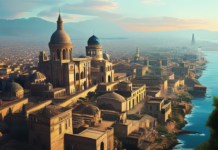






In its day Venice ruled an empire with trading posts stretching all the way to Greece and Turkey, but today it is just a small town with endless intrigue offering rich rewards for the thoughtful visitor.
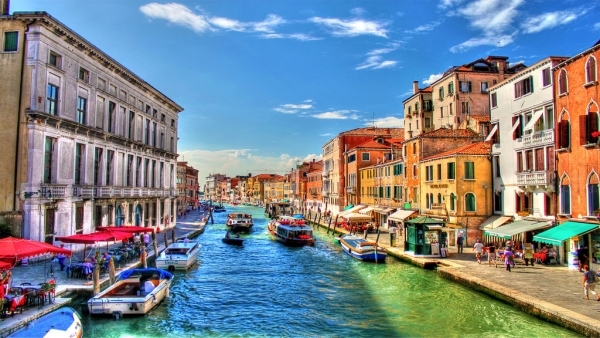
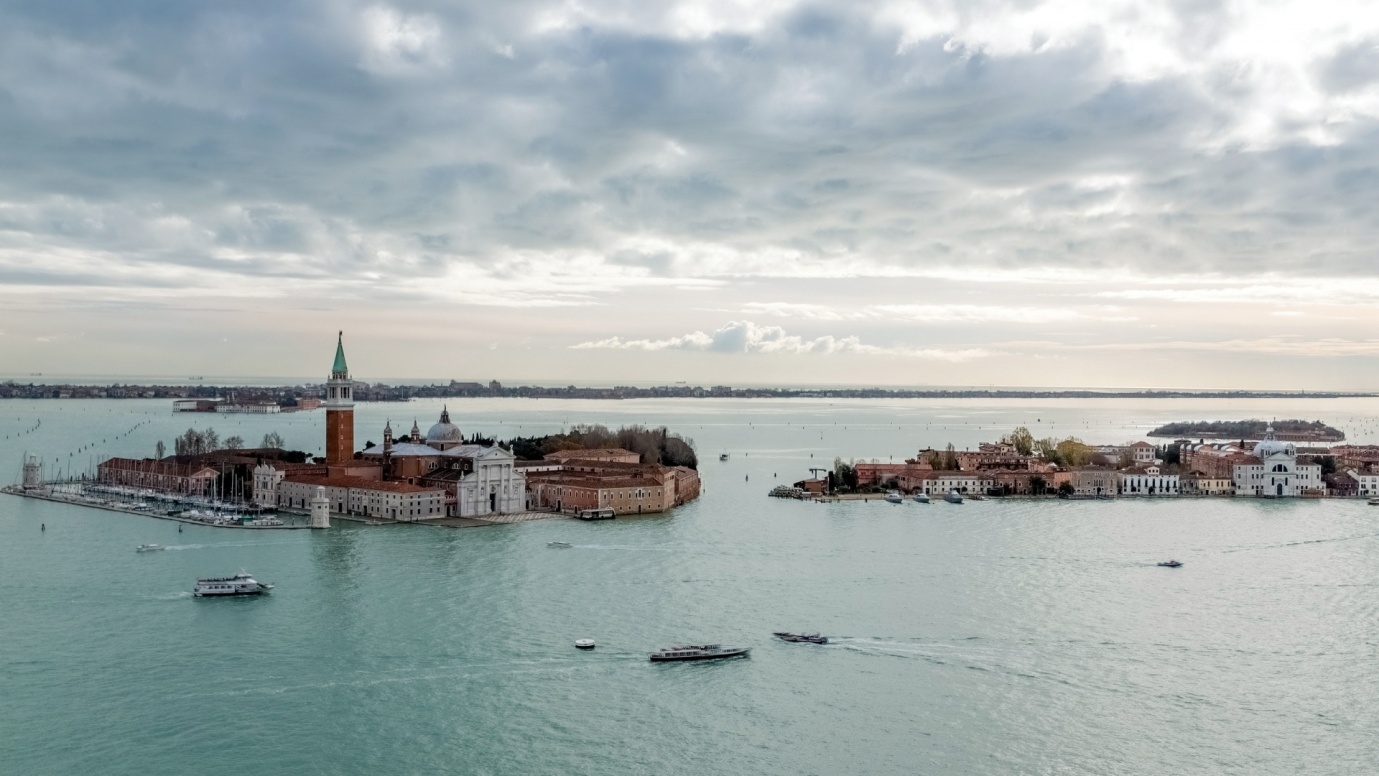
Today’s lagoon in Venice is filled with reminders of its first inhabitants, those farmers who became sea-faring merchants, dredging canals, pounding in millions of timbers for foundations and building communities that ultimately coalesced to become Venice.
Torcello was one of the first places where mainlanders settled. Today only the church lasts, and it was built in the 7th century and is the oldest church in the lagoon.
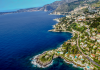
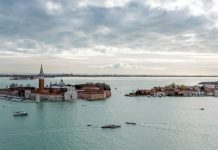
The lagoon is protected from the open sea by a string of low-lying islands. Until modern times the city was accessible only by boat.
Next up is Murano. Venice is famous for its glass. For centuries it was blown here on the island of Murano. Here you can witness the traditional mastery of crafting in adjoining workshops, which welcome the public.
One of the greatest lagoon stops is Burano. Burano with its pastel facades gracing the lagoon was first a fishing town. Later it thrived as a lace-making center, and today is popular with visitors for its gentle ambiance and lace shops.
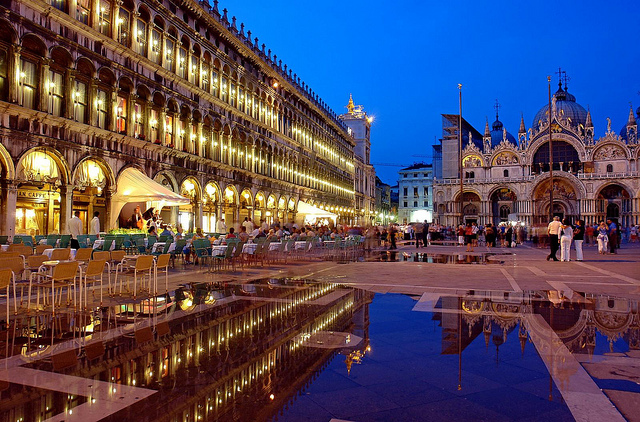
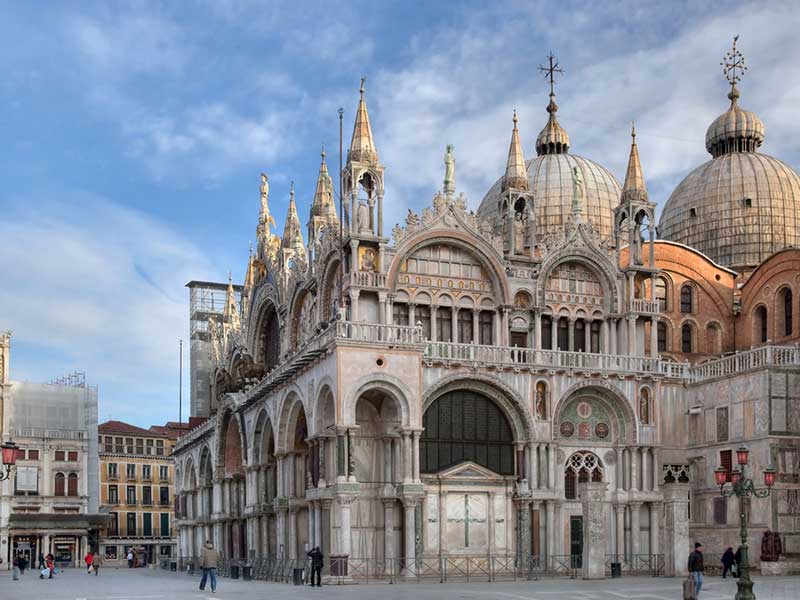
The main square, Piazza San Marco, with the Basilica San Marco and the Doge’s Palace – understandably attracts big crowds. At the top of the church’s bell tower you will get rewarded with stunning views of Venice and the Lagoon.
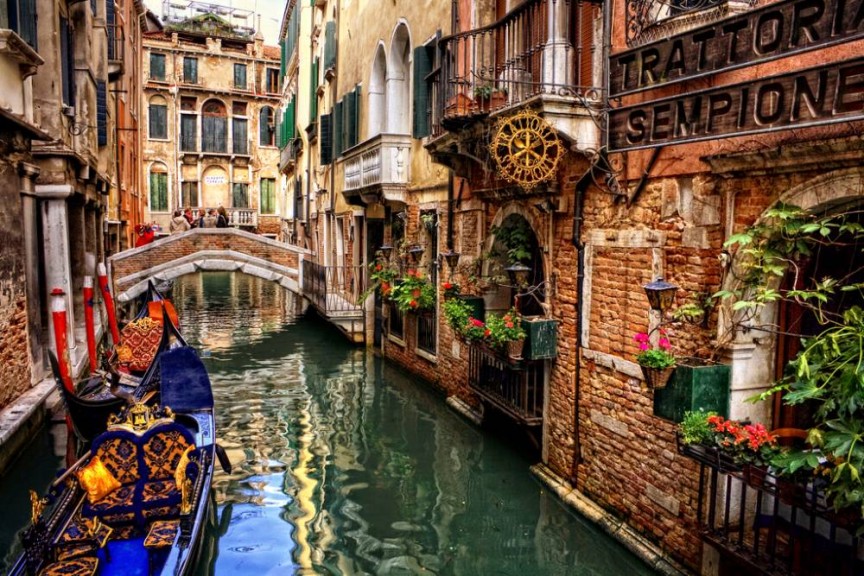
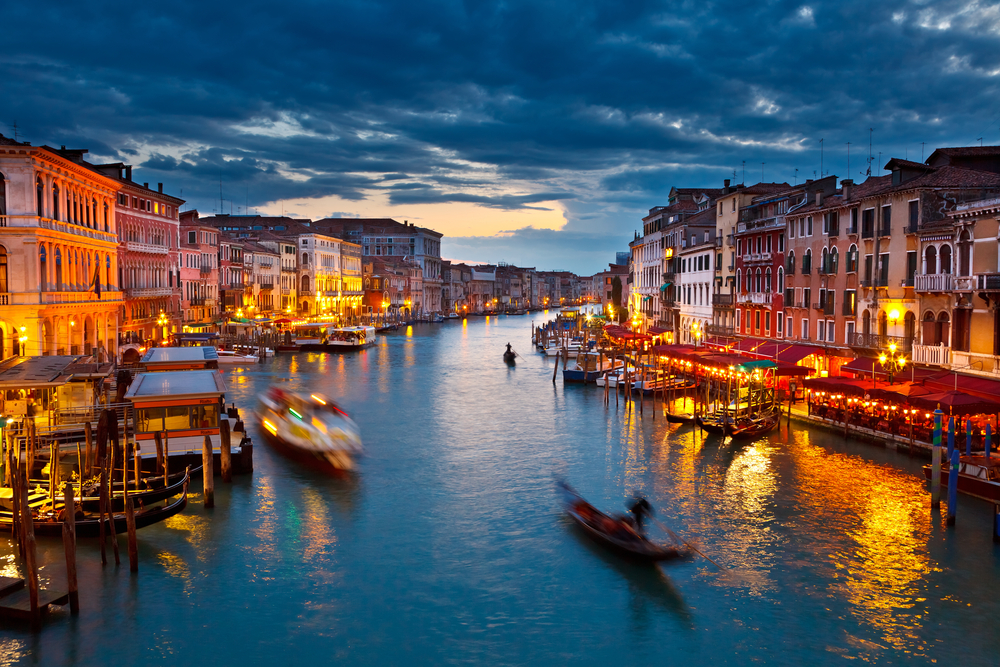
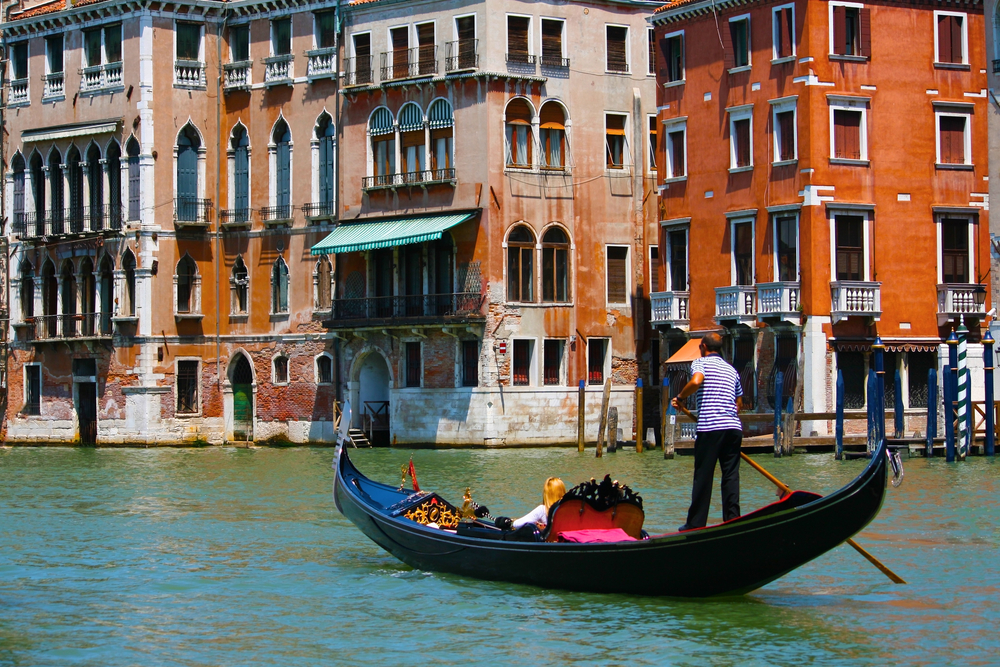
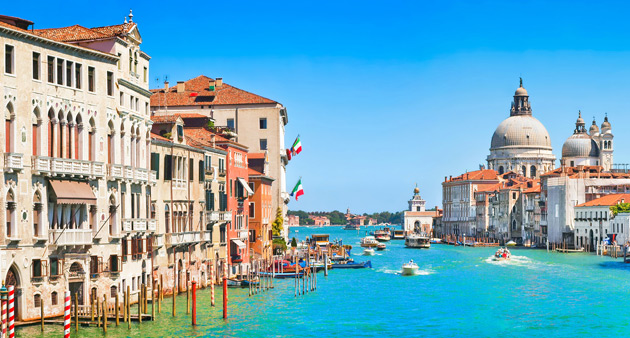
Venice is a perfectly preserved car-free city built upon countless islands all laced together with bridges, alleys and canal-sidewalks.
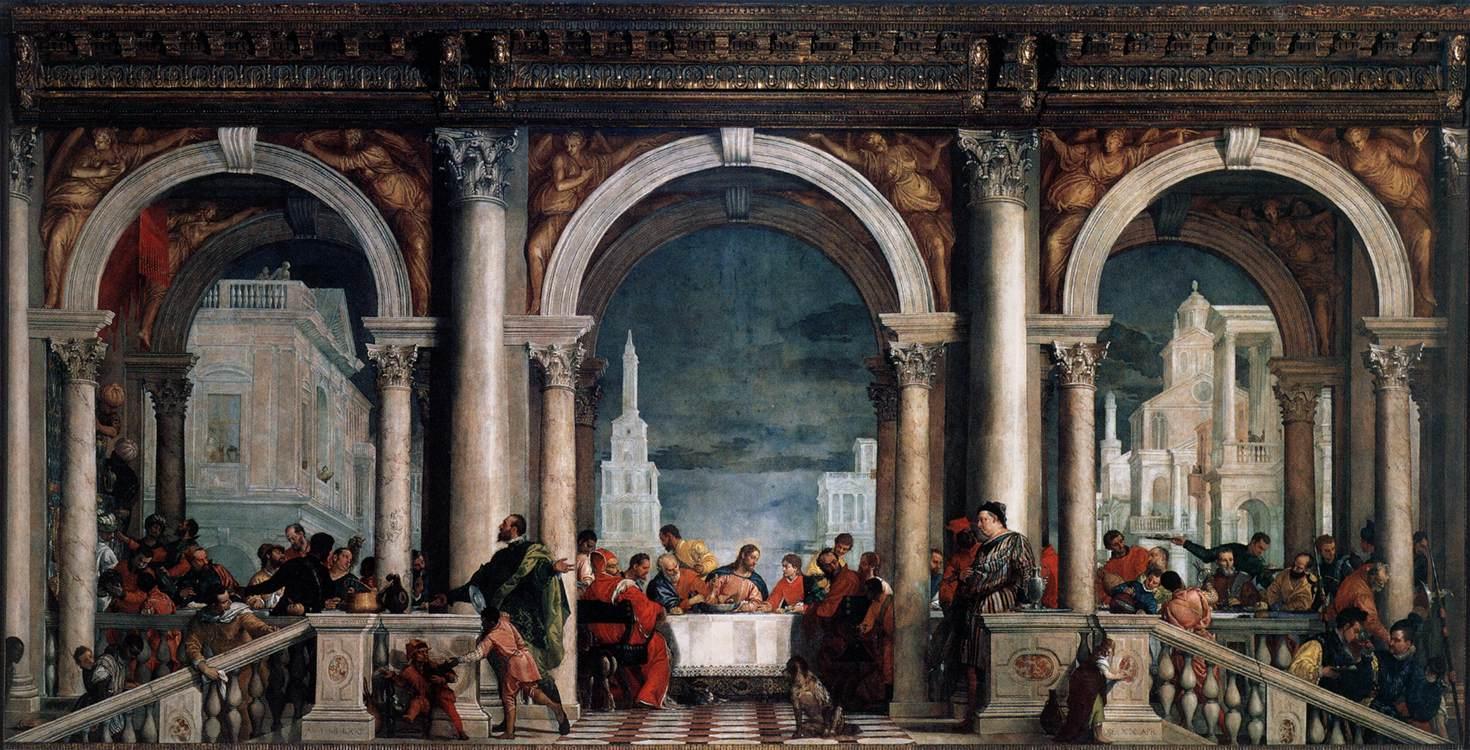
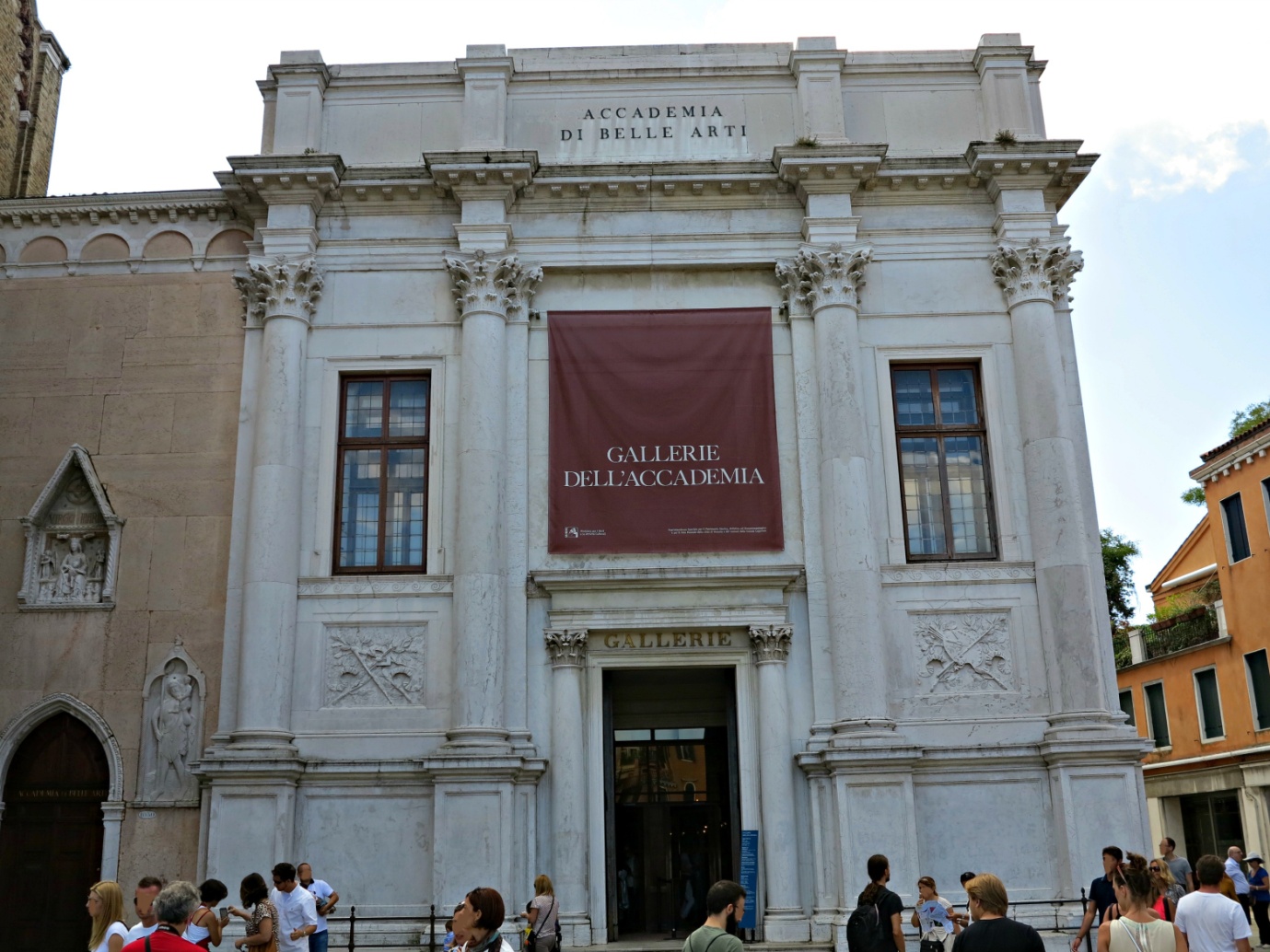
To get a sense of how Venice was in earlier times head to the Accademia, the best museum for Venetian Renaissance painting.
If any city in Europe lets you don a mask, escape the modern world and enjoy a magic moment it is Venice. I hope you will get inspired to visit it.